Hello out there, and welcome to the future!
This blog is for the blossoming Narrative Designers out there.
You may be asking, “What is a Narrative Designer? And what the heck is Narrative Driven Art?”
To start, let’s all admit that we no longer live in a simple world. In 2022 two highly disruptive technologies came into play like they never have before. At the end of the year, you might have heard people talk a lot about AI and there’s a reason for that. In August, AI-Driven Narrative Technology hit a breaking point.
Stable Diffusion.
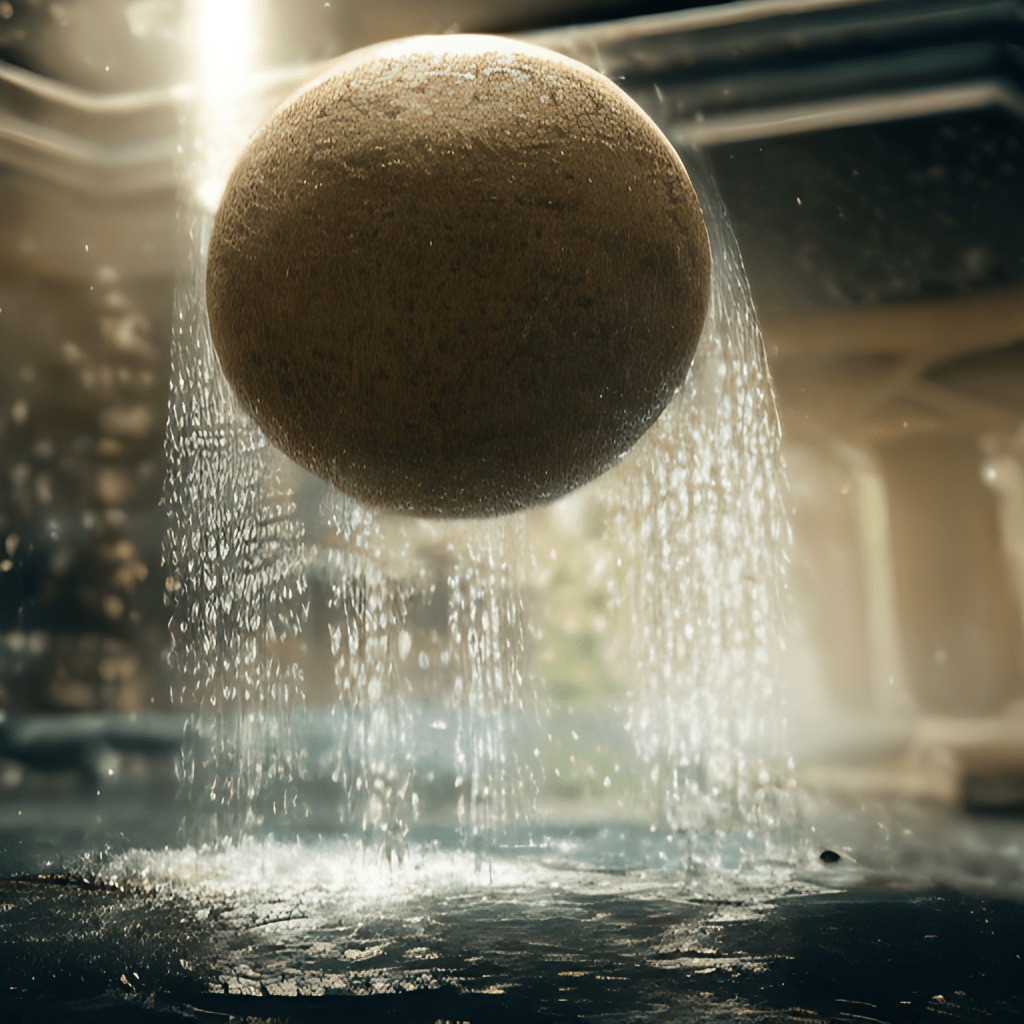
Out of the gate, this open-source software made a huge splash in the world. Stable Diffusion is an AI-Driven Narrative Art program.
What is it?
This technology enables the Narrative Designer to input a series of Prompted words into a field and the AI produces art based on the terms used.
Stable Diffusion was not the only player in the Narrative Design field. Dall-E was one of the first widely known versions of this tech and it yielded some very beautiful artwork. But with the advent of Stable Diffusion, everything changed as the technology grew.
A Narrative Designer on the other hand is a person who curates a story, and other elements so that programs like Stable Diffusion can create the best art it can.
That sounds a lot like being a writer right?
In a way it is! As a narrative art designer, you use a lot of words from the fields of art, digital art, film, and photography to produce fantastic pieces.
The Narrative Designer needs to know words like rim lighting, bokeh, octane render, and unreal engine. Not only do they need to know these words but they need to understand their context as well.
ChatGPT.
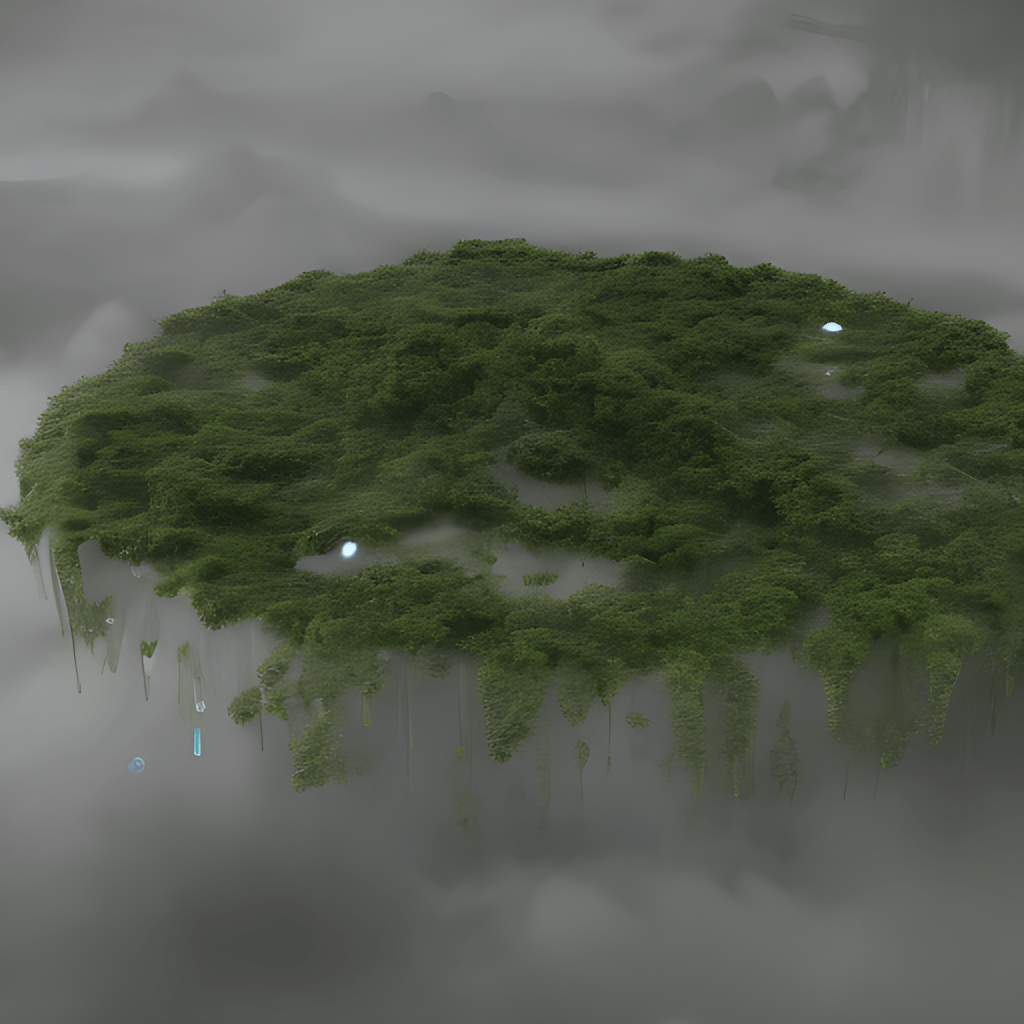
This is the second and possibly the most disruptive technology that came out in 2022.
Unlike Stable Diffusion, this Narrative Driven tech is so easy anyone can use it. It’s like having a genius friend who is willing to teach you just about anything.
Need help with your resume? This AI will literally write it for you! Don’t like what it wrote? It’ll rewrite it till you like the outcome. All you need to do is speak in plain English and it’ll understand.
Have writer’s block? Ask it for help and it’ll give you techniques to help get your creative juices flowing again.
One of my favorite ways to use it is to ask it for adjectives pertaining to the specific thing I’m writing about.
For example, I needed words to describe an evil looking skeleton and it gave me a pretty detailed description of one. So I used the adjectives that I liked and added them to my story.
It’ll also roleplay with you. Which I haven’t tried yet but plan to!
I was bored one day and tossed a description and some dialog into it just to see what it would do and it continued from where I left off.
If you want a story it’ll write you one. It tends to write stories that are more on the positive side. When I wrote a scene where two people were in a sword fight it turned it into a practice match.
Because it’s stories seemed to be a bit… G-rated, I asked it to write a short story with a sad ending. Here’s what it wrote.
The wind howled through the deserted streets, sending a chill down the spine of anyone who dared to venture outside. The once bustling city was now a ghost town, with crumbling buildings and broken windows lining the streets. The only sign of life was the eerie orange glow of a few scattered streetlights, casting long shadows across the pavement.
As the rain began to fall, a lone figure trudged through the deserted streets. Her ragged clothes hung off her emaciated frame, her hair matted and wild. She clutched a tattered photograph to her chest, the only thing left to remind her of the life she used to have.
She walked for what seemed like hours, her feet dragging as she made her way to the outskirts of the city. The rain had turned into a downpour, drenching her to the bone as she trudged through the muddy streets.
As she reached the edge of the city, she came across a small, dilapidated house. The roof was caved in, and the windows were boarded up, but she could see a faint light coming from inside. She pushed open the door and stumbled inside, collapsing on the floor as the tears began to flow.
In the corner of the room, she saw a figure sitting in a rocking chair, staring blankly into the distance. It was her husband, the only person she had left in the world. She crawled towards him, her heart heavy with grief. He looked up at her with empty eyes, and she knew in that moment that he was gone.
The storm raged outside as she sat in the ruined house, holding her husband’s hand and weeping for all she had lost. The world had been reduced to ash and rubble, and she was all alone. The future was a bleak and uncertain place, and she knew that she would never find happiness again.
As the storm finally began to die down, the woman stood up and made her way to the door. She turned one last time to look at her husband’s lifeless body, feeling a deep sense of sorrow. She stepped outside into the darkness, her heart heavy with grief as she walked into an uncertain future.
As you can see it did a decent job. It’s a post-apocalyptic setting and even had a dead person in it.
I had a chat with it about the sudden rainfall. It explained that it wanted to make it a surprise and then I explained that it should have built up to it.
It agreed with me and said it would remember that for our future conversations.
There are probably a lot more things that could have been corrected had I examined the story further.
ChatGPT and large language models are something I will be talking about a lot here.
I know this is a rather long first post but I’m looking forward to pushing these Narrative AI’s to their limits.
In the next blog, I’m going to talk about how this can be an amazing tool for writing and paste some examples of my back-and-forth with ChatGPT.
I hope you enjoyed this post and have a wonderful day!
Kathrine
 Narrative Driven Art
Leave a comment